Table Of Content
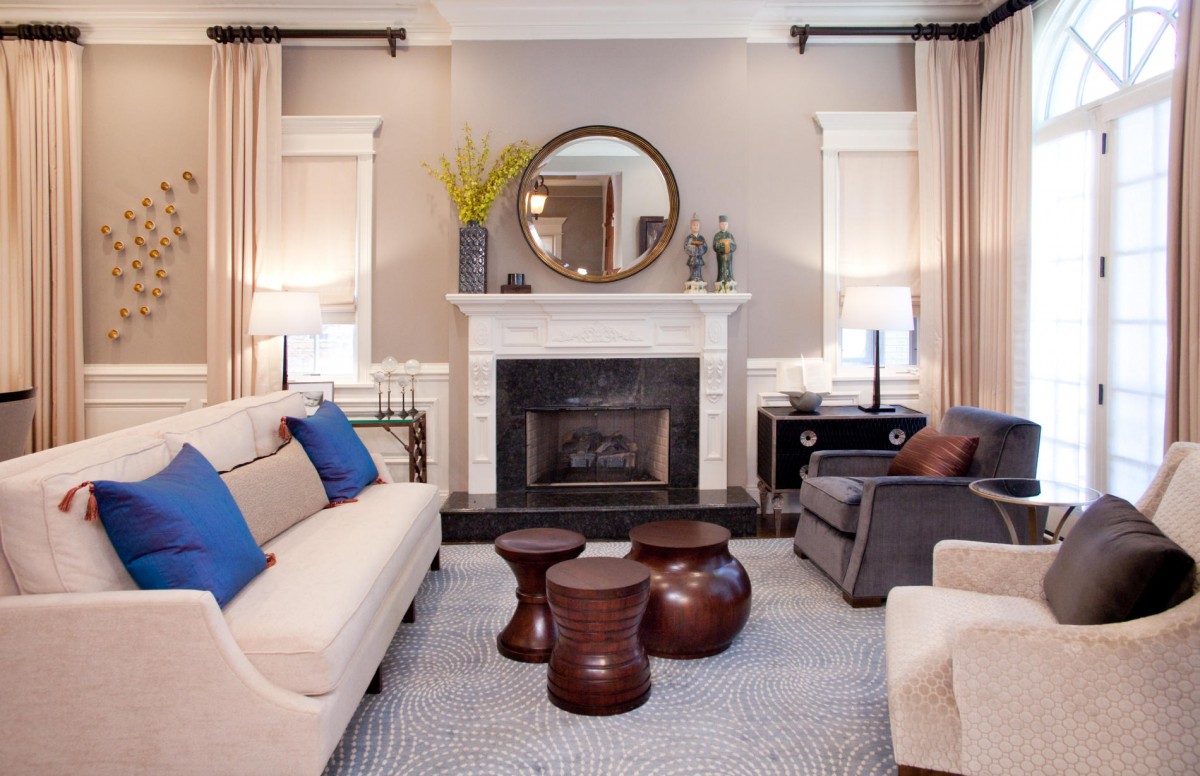
Yes, there are ways to decorate when your room doesn’t have windows using asymmetrical design principles. You can create balance and visual interest by strategically arranging furniture, artwork, and lighting to compensate for the lack of natural light and create a visually appealing space. Interior designers can help create asymmetrical balance by using their expertise to arrange furniture, artwork, and accessories to achieve visual harmony and interest.
Radial balance in Interior Design
Texture refers to the tactile quality or visual appearance of materials and surfaces in a space. Incorporating a variety of textures adds depth, dimension, and visual interest to a room. Another aspect of the rule of scale and proportion is considering the relationships between different objects within the room.

Minotti London contacts: map, phone number, email address, opening hours, press contact.
When incorporating patterns, I stick to a cohesive theme and try to limit their use to specific areas, such as accent pillows or an area rug. Asymmetrical balance is your best design if you do not want to worry about mathematical proportions when balancing elements. So, you can think of the design as a form of organized chaos, making it harder to achieve balance than the symmetrical design. One of the easiest ways to create balance is by arranging elements symmetrically. In addition, your Havenly designer will be able to provide tips on how to create a space that is both comfortable for your dog and inviting for guests. With Havenly, creating a beautiful and functional home that your dog will love is easy and stress-free.
Balance starts with symmetry
First of all, you should know that there are several basic design principles that are used by every successful professional and amateur designer/decorator. In this blog here we have listed valuable tips and design ideas to help you create striking interiors infused with symmetrical balance in every part of your home. Color is important not just because it creates a mood in a room, but because it has the power to make a room feel larger, lighter, or cozier. Of course, it’s vital that the color selected complements the room’s use with more restful shades for bedrooms, for example, or energetic hues in a home office. The beauty is very much in the eye of the beholder – if you like find a cluttered room homely, using more negative space will suit you.
With its generous proportion and modern rounded shape, this simple lounge chair captures the look of Marie's living room perfectly. The simple elegance of this wall light is easy to imagine twice in a room, either side of the bed. Slim and arched prettily like a wilting flower it will be a shorthand to balanced decor. Sometimes the architecture of your space will also have asymmetrical attributes to it such as this fabulous living space.
Design Lessons: How To Spot (& Fix!) an Off Balance Room - Apartment Therapy
Design Lessons: How To Spot (& Fix!) an Off Balance Room.
Posted: Tue, 03 Oct 2023 07:00:00 GMT [source]
What is radial balance, and how does it differ from asymmetrical balance?
According to evidence-based design, one of the most important aspects of achieving this is by incorporating balance, which can be achieved through symmetry or asymmetry. The interior design principles of unity, harmony and balance make up just one of the necessary building blocks for successfully designed spaces. All of these individual elements work together to create a sense of harmony in the design of a home. For more help with your home decor, we've rounded up the fundamental interior design rules to follow to ensure your space feels balanced in every room. It’s about finding the right balance between different elements, creating a sense of harmony and visual interest. Each rule offers a unique perspective on how to achieve this balance, and they can be applied individually or in combination, depending on the specific needs and style of the space.
A stunning, hand-made pendant light by Yuko Nishikawa, the ceramic, textured design can beautifully hang from the ceiling like a stand-out sculpture. Webdesigner, Interior Design Enthusiast and IT Expert - breaking the cliché of an IT-Nerd sitting in a dark basement surrounded by tech stuff. Instead, I love painting, enjoying the beach and designing things with my own hands. You can work with soft color themes like light blue, sage green, charcoal gray, and more that work well with furnishing colors like yellow, navy blue, black, brown, and more.
Color and texture are essential components for achieving balance in interior design. I often use a mix of complementary and contrasting colors, as well as different textures, to create visual interest and harmony. By incorporating some of these strategies, it is possible to utilize furniture and accessories effectively to create a well-balanced interior design. With their intricate designs and radial balance, Mandalas can be a beautiful addition to your home’s interior design.
What are the 7 elements of design?
The best thing about symmetrical balance in a bedroom is that it creates a sense of equality, which is a good characteristic for a primary or shared bedroom. To create the perfect balance, you can use elements, including pillows, walls, nightstands, lamps, and chairs. Radial balance can also be applied to outdoor spaces, such as patios and gardens.
These two principles actually work hand in hand when all of the elements compliment one another. It’s no big surprise that she likes to put what she writes about into practice, and is a serial house renovator. The vast majority of interiors make use of both natural daylight and artificial illumination.
For example, you can use different elements of the same colour in a room to create harmony. This type of balance is great for creating an area that is sociable and intimate so perfect for dining and seating areas within your homes. Creating balance isn't something that necessarily can happen instantly – especially if you have just moved somewhere new. It can take time to work out what a room needs in order for it to feel more harmonious – as after all, we all have different homes and styles, and balance can be just as much a feeling as it is a look. Featuring a calming, organic design, crafted from white-washed Acacia wood, this round dining table's graphic silhouette establishes an almost ethereal look. In the realm of modern interior design, property owners are always on the lookout for creative methods to enhance their ...
The varying heights and styles of the lights will help create balance and add visual interest to the space. Asymmetrical balance is a design principle that focuses on creating visual harmony by arranging elements in a way that doesn’t rely on perfect symmetry. Unlike symmetrical balance, which often results in a more formal and rigid scheme, asymmetrical balance offers greater flexibility and encourages creativity. Interior designers who utilize asymmetrical balance aim to create a sense of equilibrium and stability while making the space feel lively and interesting. Utilizing these principles helps ensure that each room not only looks great but also feels balanced and inviting for those who inhabit the space.
Then, a bed with a muted headboard, plus two identical nightstands and lamps, marry well to create the perfect visual balance. Again, the beige and brown color scheme with black accents mitigates a boring look. This fundamental rule relies on having a central point in a room, then arranging mirroring elements on either side. To achieve unique refinement and elegance, you will need to repeat the same objects with this design. The style is ideal for living rooms, bedrooms, and industrial spaces like restaurants or boardrooms. Introducing radial balance through textiles is another creative way to enhance your interior design.
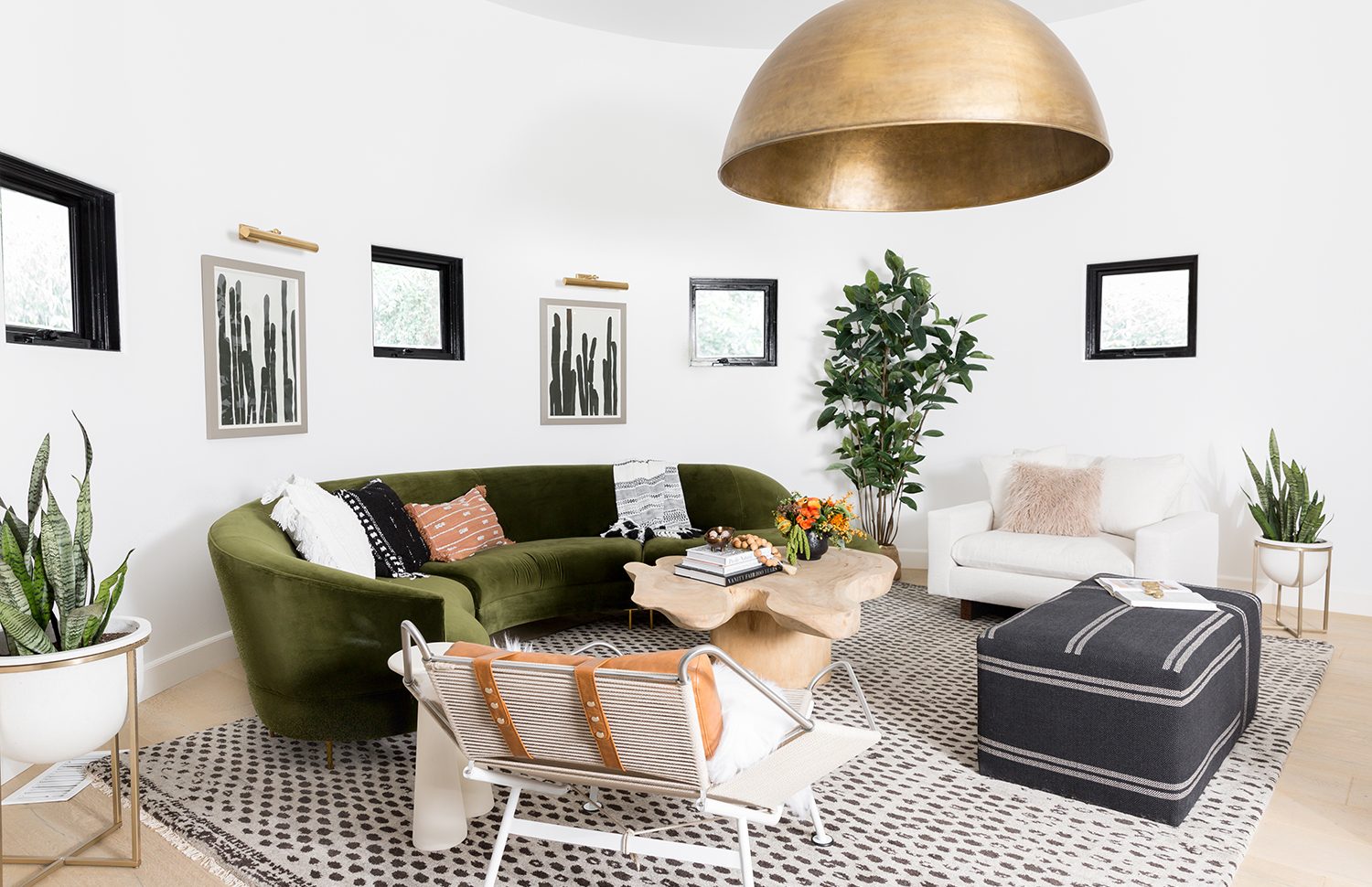
For example, you can place two different armchairs with similar shapes and colors on either side of a coffee table. Here is where asymmetrical comes in to play as it provides a more dynamic, informal look. From your color scheme to where you position your furniture, there are many factors to consider when creating an element of balance in a room.
It is the space where you enjoy a good night’s sleep after a long day of work or laze around on grumpy weekends. While it is easier to bring symmetry to the living room because of the seating arrangement and entertainment unit, here are easy tips for a symmetrical bedroom interior design. That’s probably the first thing you think about when you’re getting started with a home interior design project. Horizontal lines, such as those of tables, bring a sense of stability to an interior. The vertical lines of the room come from features like windows and doors or maybe a tall fireplace.
So, whether you’re designing a living room, a bedroom, a kitchen, or any other space, keep these seven rules in mind. Consider the symmetry, scale and proportion, color harmony, texture variation, visual weight, functionality, and focal point. Embrace the principles, experiment with different elements, and trust your instincts. With a focus on balance, you can create a space that not only looks beautiful but also feels harmonious and truly reflects your personal style. Achieving balance in interior design through spatial distribution is an essential aspect of creating a comfortable and visually appealing environment.


No comments:
Post a Comment